Part 3 - Stress, the Body & the Mind: A Science-Backed Mini Series on Healing Through Sound
This is the final chapter in my three-part series on stress. In this post, we turn our attention to hormones and how sound and meditation can help bring the body back into balance.

Stress, Hormones, & the Menopause: How Meditation and Sound Therapy Change Your Stress Baseline
If stress feels like it’s living inside your body - making you tired, wired, emotional or permanently on edge - hormones are a big part of the story.
This is especially true during peri menopause and menopause, when hormonal shifts can make stress feel louder, harder to manage and far more physical.
Stress isn’t just a feeling. It’s a chemical process - and understanding what’s happening hormonally can be incredibly empowering.
What Does Stress Do to Our Hormones?
When we’re stressed, hormones such as cortisol and adrenaline flood our system.
Cortisol is often called the stress hormone, but it’s not all bad. We need some cortisol to wake up, get moving and meet the demands of daily life. In fact, for most people cortisol naturally peaks around 9am, helping us start the day.
So cortisol itself isn’t the villain - but too much of it is.
During periods of ongoing stress - and particularly during peri menopause - cortisol can stay elevated, amplifying feelings of anxiety, overwhelm and exhaustion.
Meet Cortisol (And Its Slightly Awkward Headquarters)
The control centre for cortisol production sits in the pituitary gland, right in the middle of the brain. And if it helps you remember where it is - anatomically speaking, it looks a bit like a tiny scrotum behind your forehead. You’re welcome.
Cortisol can be measured in saliva or hair and it affects far more than just stress levels.
High or prolonged cortisol impacts:
the immune system
reproductive health
heart and kidney function
libido
sleep
skin and hair
When cortisol stays elevated for too long, it suppresses immunity and increases the risk of illness.
It’s also one of the reasons stress can feel particularly intense during menopause, when the body is already navigating hormonal change.
Stress, Menopause and Hormonal Overload
Many women ask:
What age does menopause begin?
How long does menopause last?
The truth is, peri menopause - the transitional phase before menopause - can begin years earlier than expected, sometimes in the late 30s or early 40s. This phase can last several years, and it’s often when stress tolerance feels lowest.
Fluctuating oestrogen combined with high cortisol can lead to:
disrupted sleep
increased anxiety
mood swings
brain fog
heightened stress responses
This is where stress management for menopause becomes essential - not optional.
How Meditation Helps Reduce Cortisol (Especially During Menopause)
Many things help lower cortisol - laughter, sex, nourishing food, time in nature - but meditation has been shown to be particularly effective.
Research shows that meditation can reduce cortisol levels by up to 30%.
For comparison, a good night’s sleep typically reduces cortisol by around 10–12%. That’s a big deal.
For women navigating peri menopause or menopause, this reduction can feel life-changing.
Meditation and sound therapy don’t just help you feel calmer in the moment - they change what’s happening chemically inside your body - which is particularly important during a time of hormonal transition.
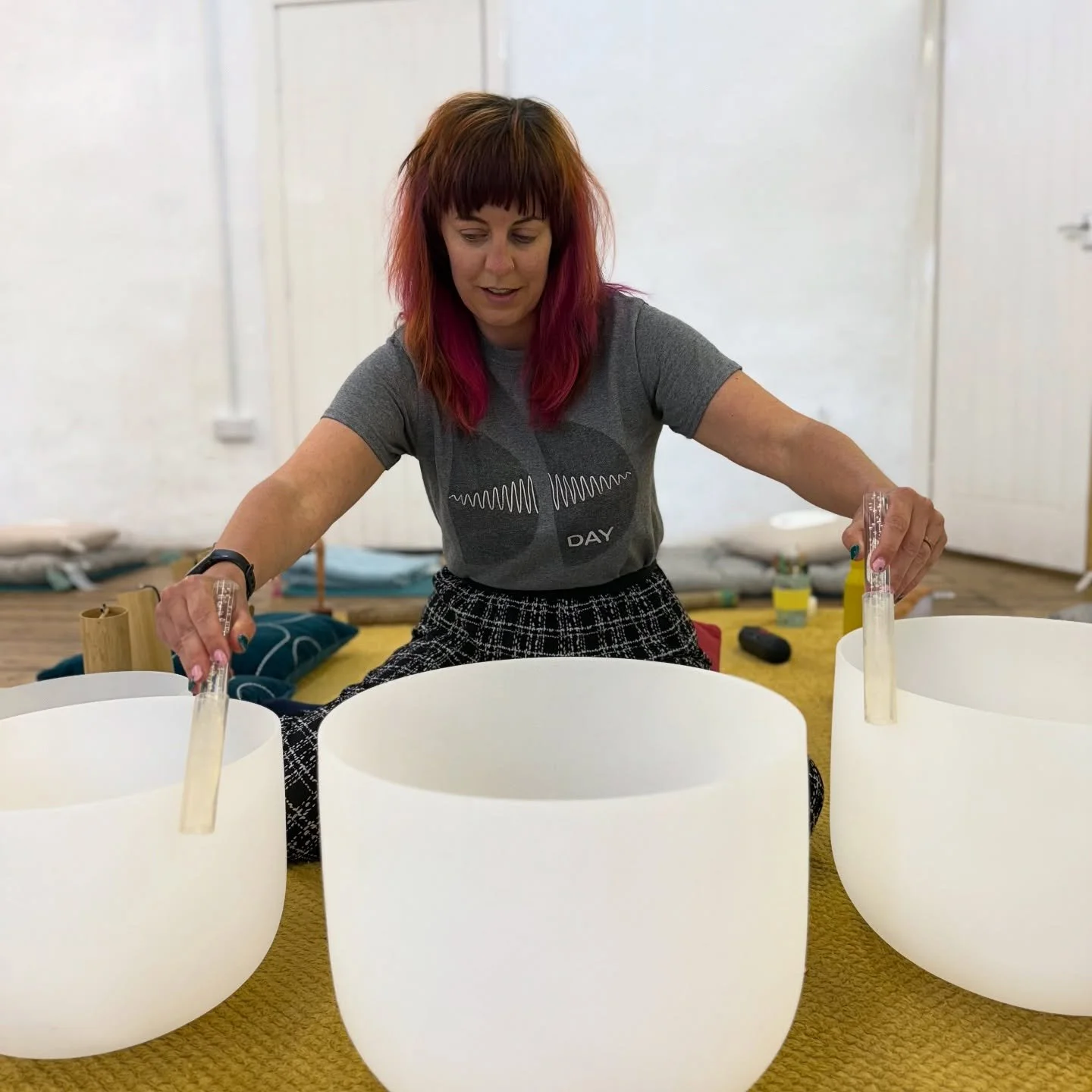
The Hormones That Meditation Boosts (The Ones We Want More Of)
Meditation and sound therapy don’t just reduce stress hormones - they increase the hormones that support balance, connection and rest.
These include:
Dopamine - supports mood, motivation and positivity
Melatonin - crucial for sleep (often disrupted during menopause)
Oxytocin - promotes feelings of safety, bonding and emotional steadiness
GABA - calms the nervous system and reduces anxiety
Endorphins - the body’s natural painkillers, easing tension and discomfort
This hormonal support is one reason sound baths are often described as deeply nurturing, particularly during times of physical and emotional change.
DHEA: The Longevity Hormone (and Why It Matters More Than You Think)
One of the most fascinating hormones linked to meditation is DHEA, sometimes called the longevity molecule.
When doctors assess a person’s biological age, DHEA levels are one of the markers they look at.
Naturally, DHEA levels decline as we age. But here’s the interesting part…
Dr Vincent Giampapa, former President of the American Board of Anti-Aging Medicine, found that meditators have 43.77% higher levels of DHEA than non-meditators.
Even better? DHEA helps counteract stress.
Less stress = less wear and tear on the body.
Less wear and tear = healthier ageing.
And this increase in DHEA appears to happen when we spend more time in alpha and theta brainwave states - the same states accessed during meditation and sound therapy.
State Effects vs Trait Effects: Why This Matters Long-Term
Meditation and sound therapy support us in two important ways.
State Effects
These are the immediate benefits:
feeling calmer
more grounded
less tense
clearer headed
Most people feel these straight after a sound bath.
Trait Effects
These are the long-term changes.
Research shared in Altered Traits by Davidson and Goleman shows that regular meditation lowers our baseline stress levels. This means:
everyday stress feels less intense
hormonal reactions become less extreme
recovery happens faster
For women in peri menopause and menopause, this baseline shift can be transformative.
Sound therapy offers a gentle, non-invasive way to support hormonal balance and nervous system regulation - without effort or pressure.
The Bigger Picture: Resilience, Not Just Relaxation
Meditation and sound therapy don’t remove life’s challenges - but they change how we meet them.
With:
more emotional capacity
steadier hormones
better sleep
increased resilience
And that’s especially important during times of change.
Sound Therapy & Meditation in Glossop and the High Peak
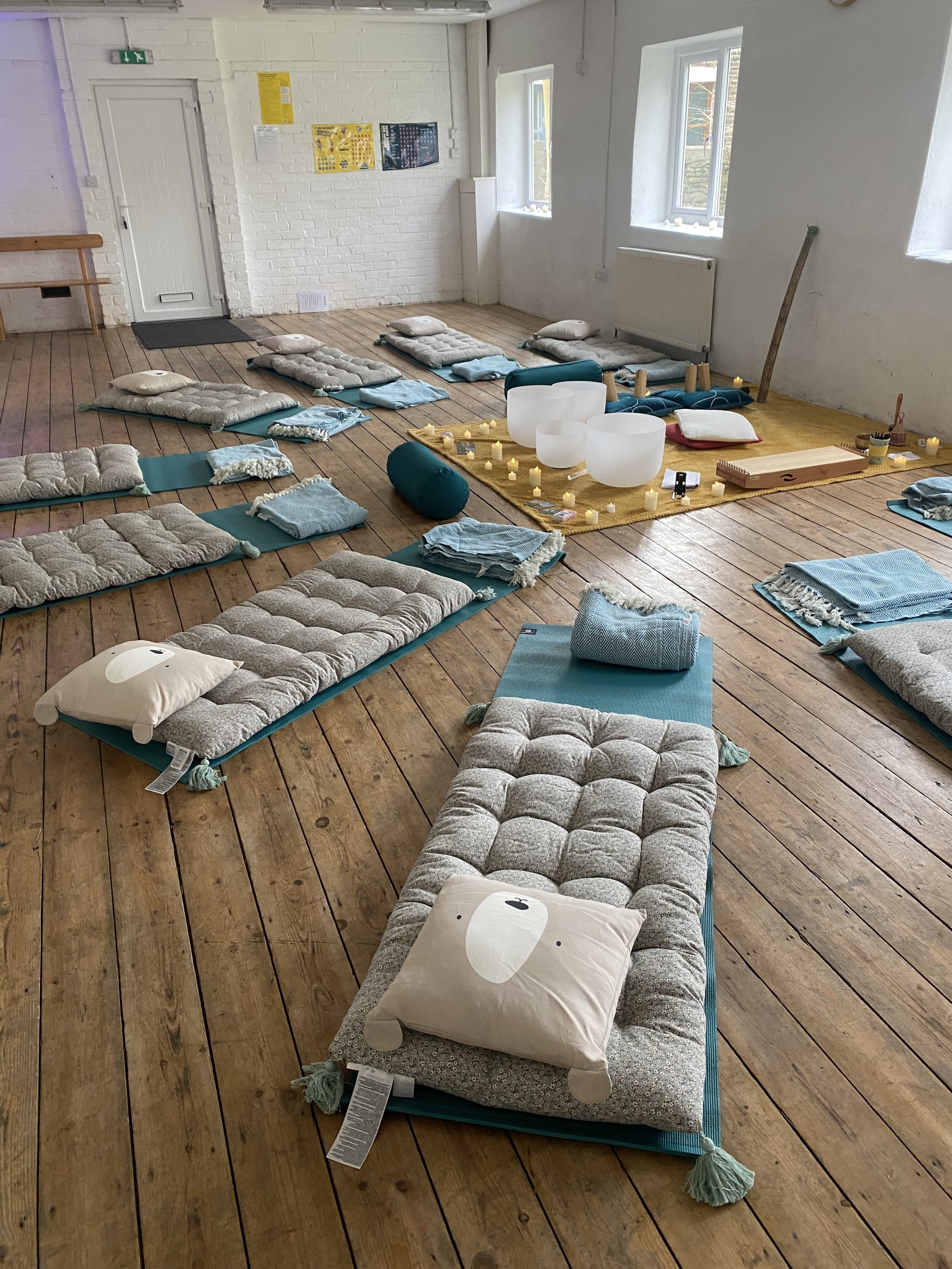
Come and experience it for yourself.
If you’re local to Glossop or the surrounding Peak District, you can experience this kind of deep meditation relaxation therapy in person.
I offer sound bath therapy sessions, meditation and relaxation classes near me, designed to support stress relief, nervous system regulation and deep rest.
