What Darts Taught Me About Flow State (And Why My Nervous System Loves It)
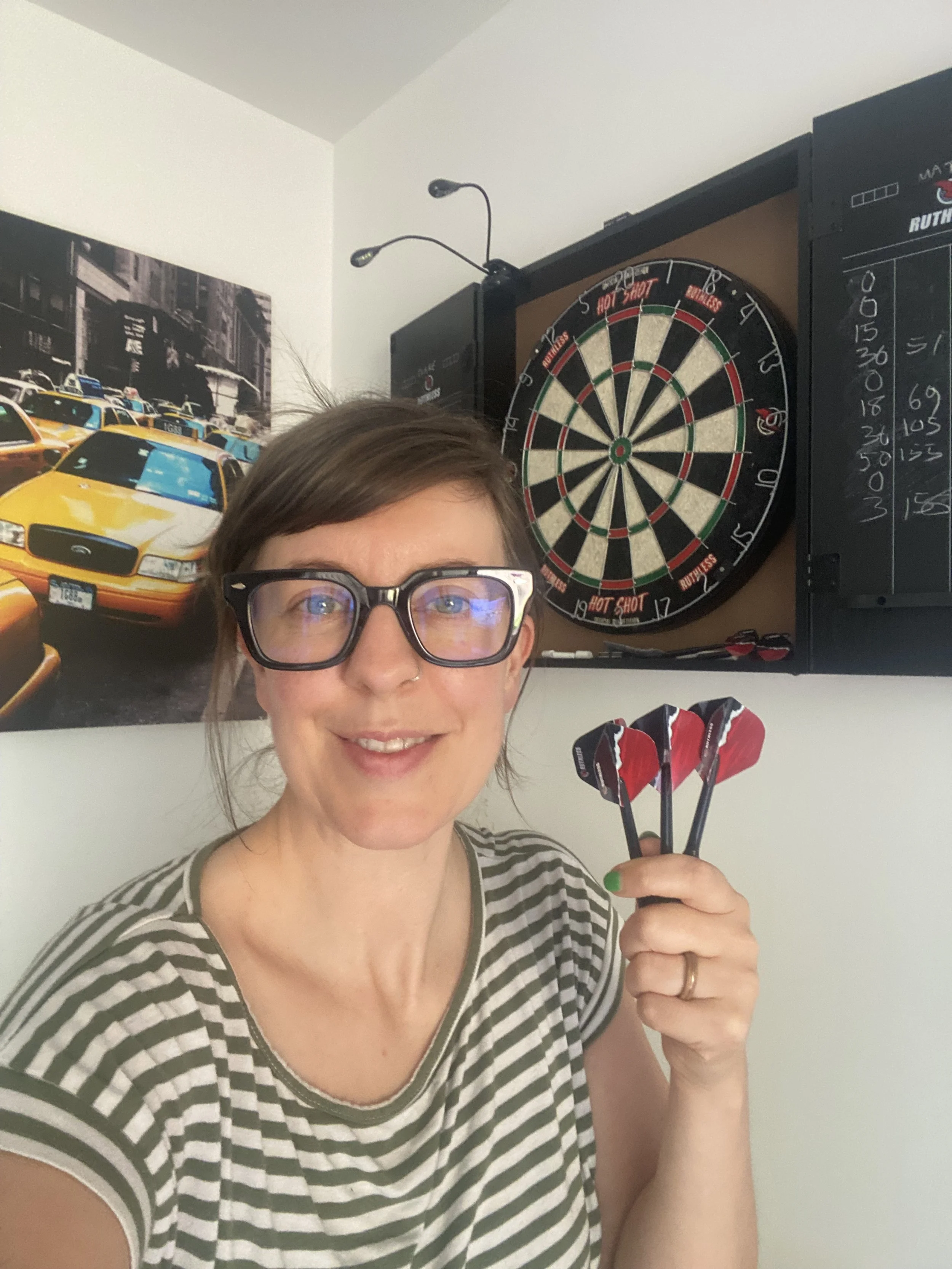
I never expected a dartboard in the living room to become part of my nervous system regulation toolkit, but here we are.
I'm writing this post fresh off the World Matchplay at Blackpool, where Luke Littler carried on his dominant 2026 with yet another title, and it's got me thinking even more about what makes a great darts player tick.
For me, it started small. A few socials with friends. A games day out with Matt that turned into a proper habit and a newly purchase dart board in our living room. And then something clicked. Every time I walk past the board, I stop and throw three darts. Sometimes it creeps up to nine. Sometimes ten.
While the kettle boils. During the ad breaks. And each time, I notice the same thing happening in my body: my breathing slows, my heart rate settles, and I drop into a rhythm I wasn’t consciously choosing.
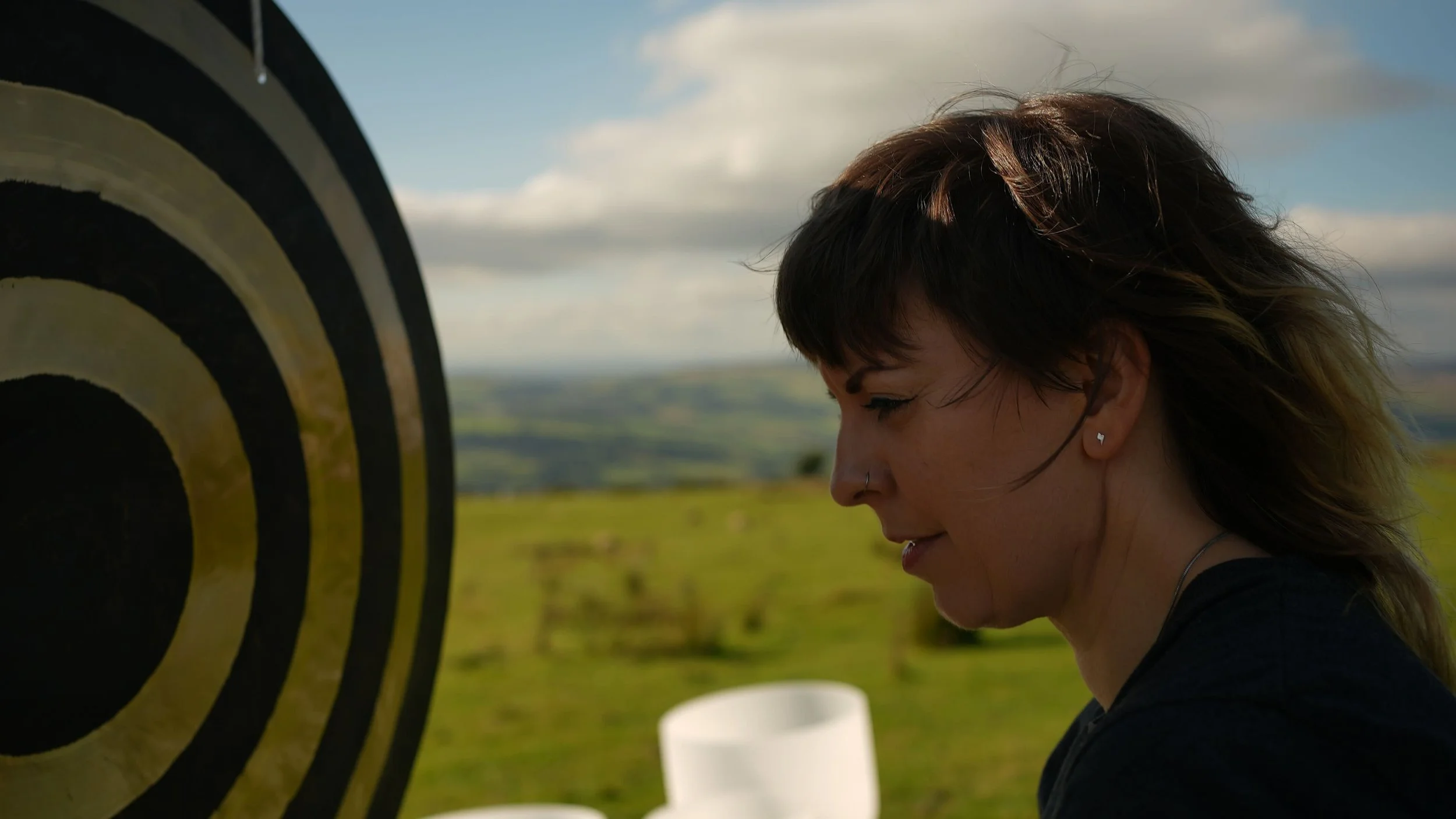
As a sound therapist, I spend my working life helping people find that exact state on purpose, through sound baths, breathwork and meditation. So when I felt it happening over a game of darts, I had to go and find out why.
The Rhythm of Threes
One of the first things I learned is that darts practice leans heavily on gentle, repeated sets, typically thrown in threes. That steady repetition turned out to be the whole point.
It’s the same principle behind neuroplasticity, the brain’s capacity to reshape itself through repeated practice. Do something often enough, with focus, and you’re not just getting better at the task. You’re structurally strengthening the neural pathways behind concentration and attention itself.
That was the lightbulb moment for me.
The three throws I kept sneaking in whenever I passed the board weren’t just a fun habit. They were a small, repeatable rep of focus training, the same kind of training I already understood from a nervous system regulation point of view, just wearing a different outfit.
Flow State Has a Rhythm, and So Does Music
The more I looked into it, the more darts and flow state kept showing up together.
Csikszentmihalyi’s concept of flow, that fully absorbed, time-disappearing state of being completely present with a task, comes up again and again in how darts players describe their best games.
It turns out plenty of professional players work with psychologists, meditation teachers and breathing coaches specifically to find that rhythm on demand.
As a Grade 8 violinist, I never once considered that my musical training might translate to oche. But that’s exactly what was happening.
Throw, throw, throw became a rhythm I fell into the way I fall into a phrase of music.
No past, no future, just the present moment repeating itself gently.
It turns out rhythm, whether it’s a bar of music, a breath, or a dart in hand, is one of the most reliable doors into a flow state.
Bringing It Into My Half Marathon Training
I’ve been leaning on mantra meditation lately as part of my half marathon training, at home on recovery days between runs, using a repeated phrase to hold my focus one stride at a time rather than letting my mind wander into the last mile or the next hill.
Discovering the darts and flow state connection made total sense of why that’s working.
It’s the same mechanism: gentle repetition, present-moment focus, and a rhythm the nervous system can settle into.
Whether you’re a musician who’s never considered how rhythm might sharpen your dart game, or a Sunday pub league player who’s curious about meditation, the crossover is real.
Practising focus and flow through breathing or mantra meditation doesn’t just support your wellbeing, it might just improve your throw too.
If you fancy exploring what flow state feels like in your own body, that’s exactly what a sound bath or a guided meditation session is designed to help you find.
Fellow darts players - have you experienced this flow state when playing too? Let me know your tips for staying cool, calm and relaxed when under pressure!
You can see our upcoming sessions and book a place at FeelingSound.co/services
