The Beauty We’ve Stopped Letting In
Sound, science, and the feelings we’ve been quietly turning down
When did you last feel something so beautiful it stopped you in your tracks? When did you last feel genuinely moved? Not just busy, or tired, or fine - but actually, deeply moved?
Recently, someone said something to me that I haven’t stopped thinking about. I’ll call them Donna - their real name stays with me, but they know who they are.
Donna isn’t someone who’d describe themselves as a wellness person - their words, not mine - and they came to their first session with no particular expectations and a healthy dose of scepticism. They’d spent their working life in practical, grounded roles, and the world of sound baths and meditation was, to put it mildly, new territory.
But something had been shifting. And after a recent session, they said something that stopped me in my tracks.
They paused, searching for the right word. And then it came to them, with tears falling from their eyes:
Beauty.
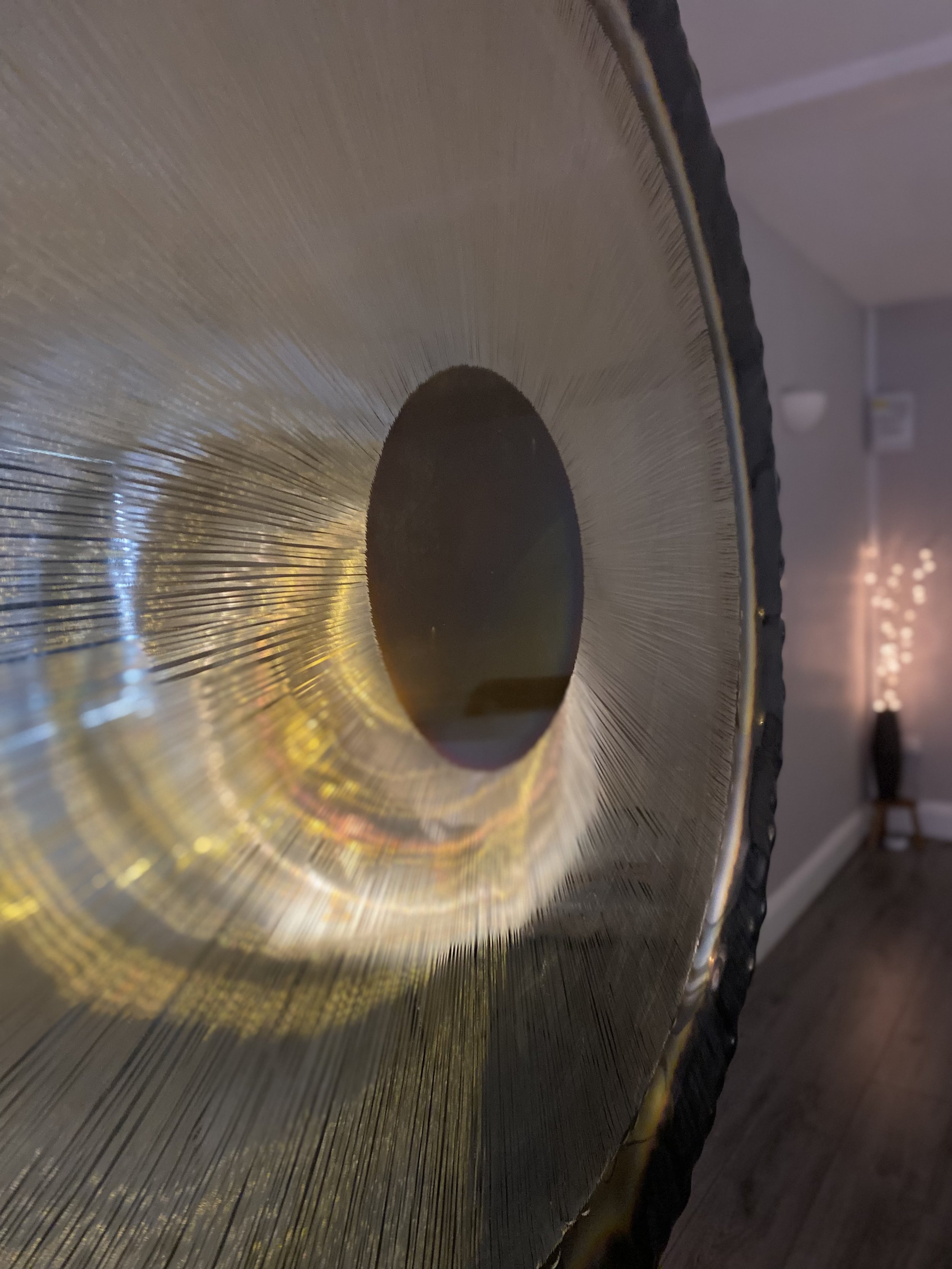
The gong had made them feel beauty.
Not relaxation. Not stress relief. Not even calm - though those things were there. Beauty. A level of feeling they hadn’t accessed before. Something that opened.
I’ve been thinking about it ever since.
We talk about sound baths in the language of relief.
Stress relief. Tension relief. Pain relief. And those things are real - the research is solid, the nervous system shifts are measurable, and if you’ve ever left a session feeling like you’ve had the best night’s sleep of your life after forty-five minutes on a mat, you already know what I’m talking about.
But relief implies we’re removing something. Taking something away.
What Donna described was the opposite. Something being given back.
“Where words fail, music speaks.”
Here’s what I think was happening - and there’s science behind it
We live in a world that asks a lot of us emotionally. Most of us - whether we’re conscious of it or not - develop strategies to manage that. We dial down. We cope by not feeling quite as much. It’s protective. It works, up to a point.
But here’s the thing about emotional numbing: it’s not selective. When the system shuts down to avoid pain, it also shuts down the capacity for joy, love, excitement, and connection. You can’t close the door on overwhelm and leave the good stuff flowing freely. The dial that turns down the hard feelings turns down the beautiful ones too.
I recognise this in myself. There was a period where life felt very functional. I was getting things done. I was fine. But I realised at some point that I hadn’t had a full belly laugh in months. Hadn’t cried at something happy. Hadn’t felt moved by much at all. I’d been so busy managing that I’d quietly switched off a whole frequency range of feeling without noticing.
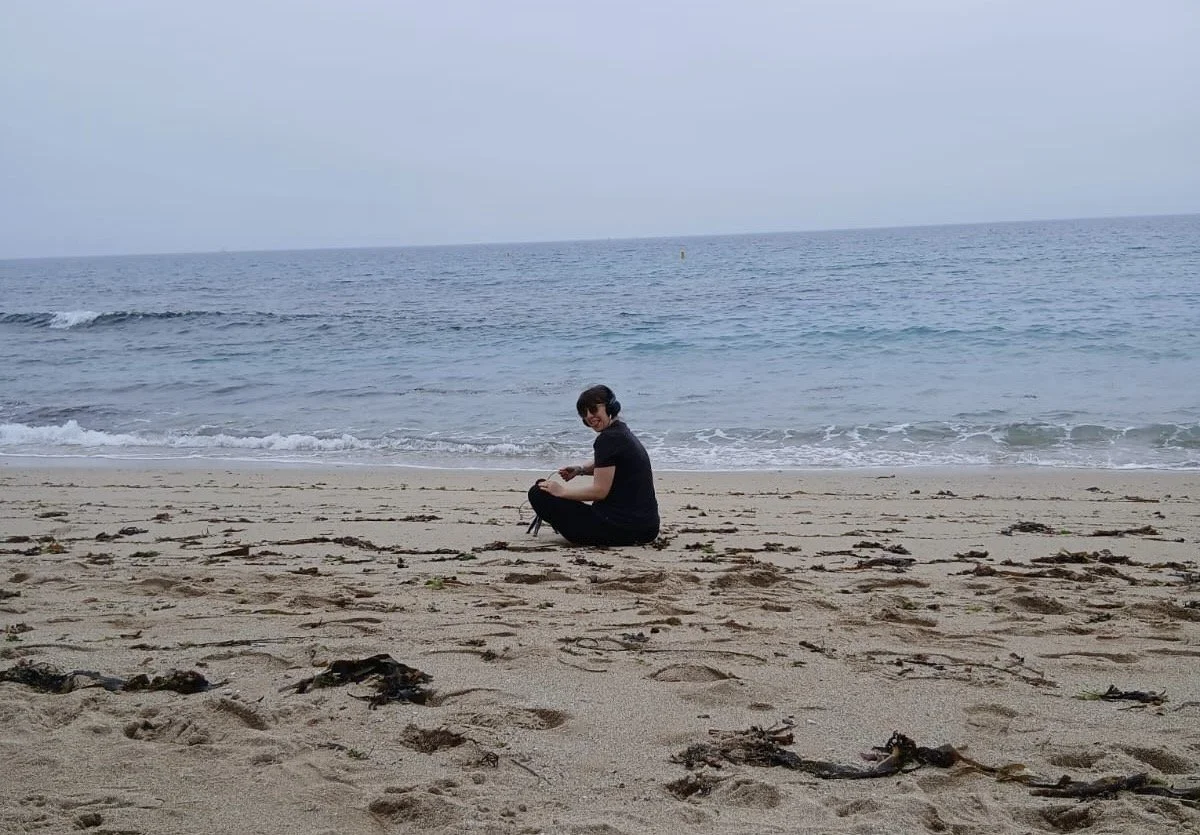
A hydrophone and the sea
A little while ago, I took a few days in Cornwall with friends. And I found myself standing on a beach - seagulls, children crying over dropped ice creams, surfboards, wetsuits, the full chaos of a British seaside - holding a hydrophone in the water. A microphone that lets you listen beneath the surface. (I know, I’m a bit weird...)
I’d never listened to the sea before. Not really.
And it was extraordinary. Mesmerising. A whole world of sound I’d had no idea was there.
That’s how I let beauty seep back in. Little and often. Not in grand gestures, but in moments of deliberate attention - a hydrophone, a gong, a few minutes of actually listening.
And then there’s awe.
Awe is one of the most under-researched and under-appreciated emotions we have access to - and one of the most powerful.
Neuroscience shows that awe activates the brain’s reward centres and empathy pathways, while quieting the part of the mind that churns through worries and to-do lists. It does something quite extraordinary: it quiets the noise of the self.
Music is one of the most reliable triggers for awe. And the particular kind of sound that tends to produce it - unpredictable, shifting, vast in some way - describes the gong almost perfectly. The overtones move in ways you can’t anticipate. Your brain can’t stay ahead of it. That’s part of the point.
There’s something interesting about awe specifically. It doesn’t just relax you - it does something more unusual than that. It settles the nervous system at the same time as it opens you up. You feel still, but also somehow more present, more awake, more there. Like a window being thrown open in a room you’d forgotten was stuffy.
That’s what Donna felt. I’m sure of it.
“Definition of awe: an emotion variously combining dread and wonder that is inspired by overwhelming greatness (as in beauty, power, or size).”
The part that moves me most
What strikes me about Donna’s story is this: they didn’t come in looking for beauty. They didn’t come in looking for anything in particular. They just lay down, let the sound happen, and something that had perhaps been quietly inaccessible found its way back.
We spend so much time in wellness culture talking about what we’re fixing - the sleep, the anxiety, the tight shoulders. And there’s nothing wrong with any of that. But I think the deeper gift of these instruments, when you really let them in, is something more like restoration. Not of function, but of feeling. The full range of it.
The kind that includes beauty. And wonder. And the occasional inexplicable lump in the throat at something you can’t quite name.
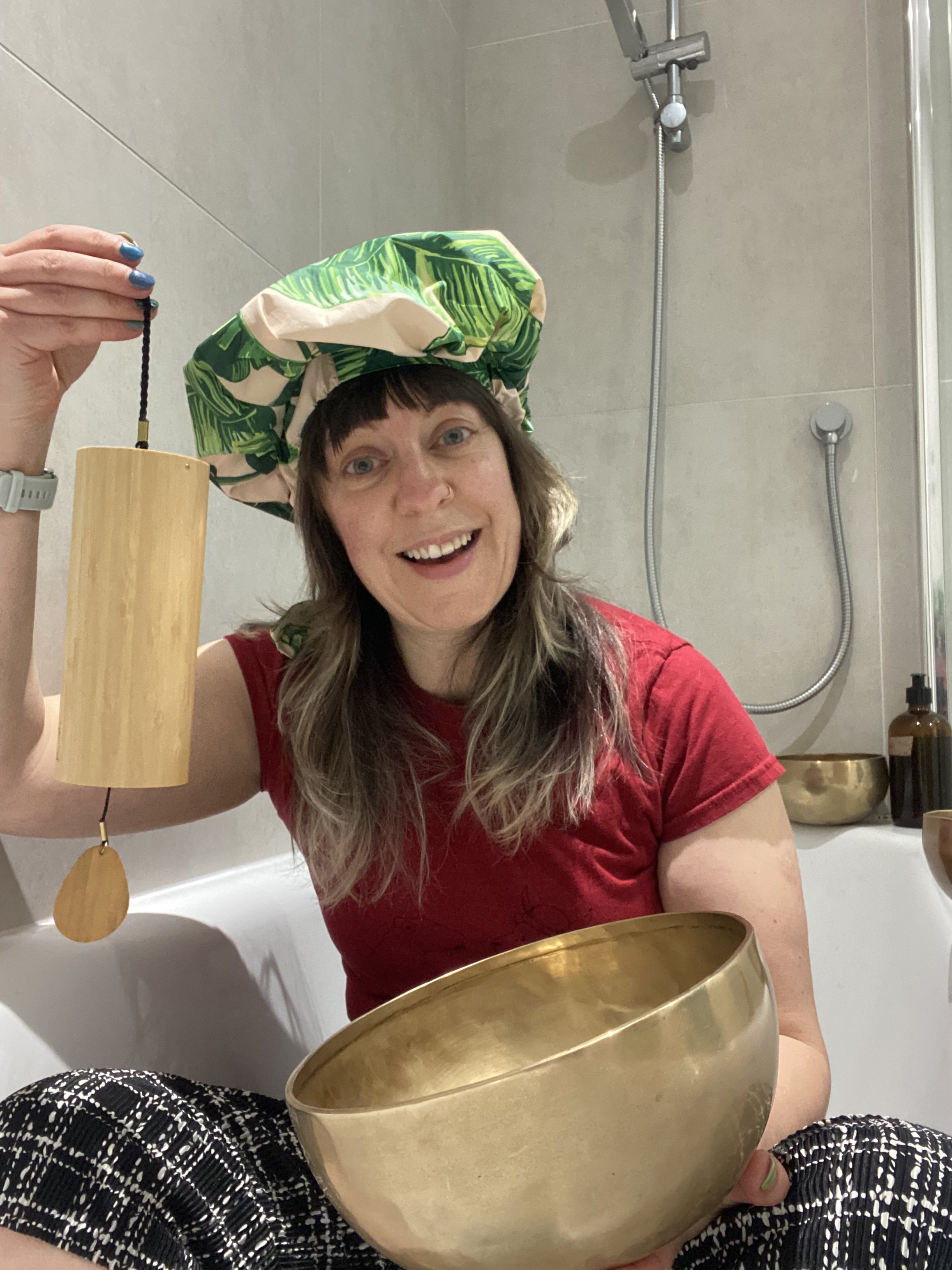
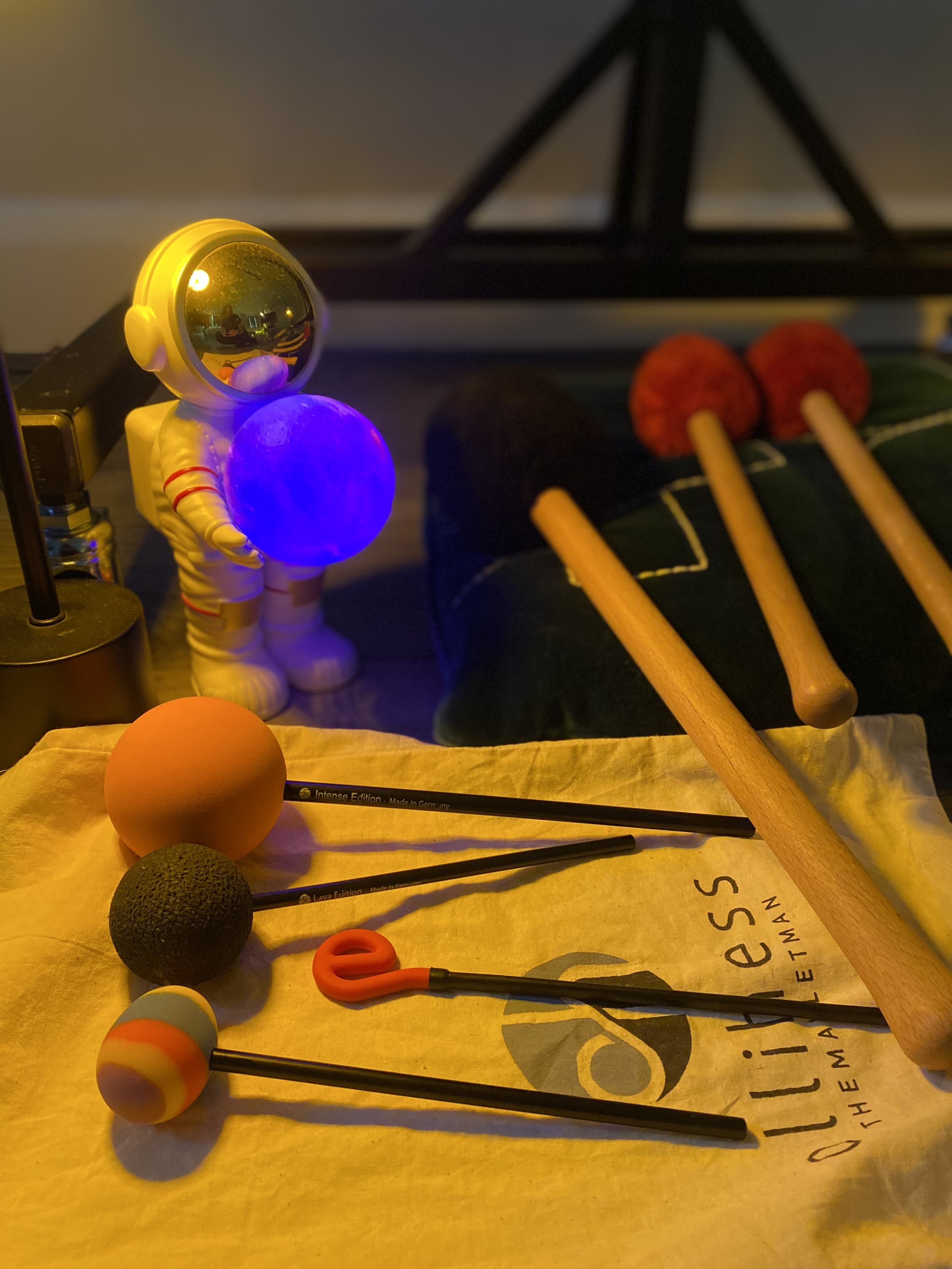
Running Feeling Sound as a business means the numbers need to add up - and I won’t pretend otherwise. But the love for it is completely real. In my spare hours I find myself lost at my gong, searching for new sweet spots. Experimenting with different mallets on my bowls. Or simply standing at the window, gawping at the view, ocean drum in hand. This isn’t work I do and then leave behind. It lives in me.
And I think that’s what Donna felt. Not just the skill of someone who knows their instruments. But the love of someone who can’t quite put them down.
It reminded me why I fell in love with these instruments in the first place. That sound therapy, at its best, can take you somewhere words simply don’t reach.
Awe is always available - not just on cliff tops or in concert halls, but in the everyday, the mundane, the noisy and imperfect. I hope you find a moment of it today, wherever you are.
And if you fancy experiencing the magic of it through the gong, come and hear what happens when you stop, lie down, and let the sound do its thing.
